
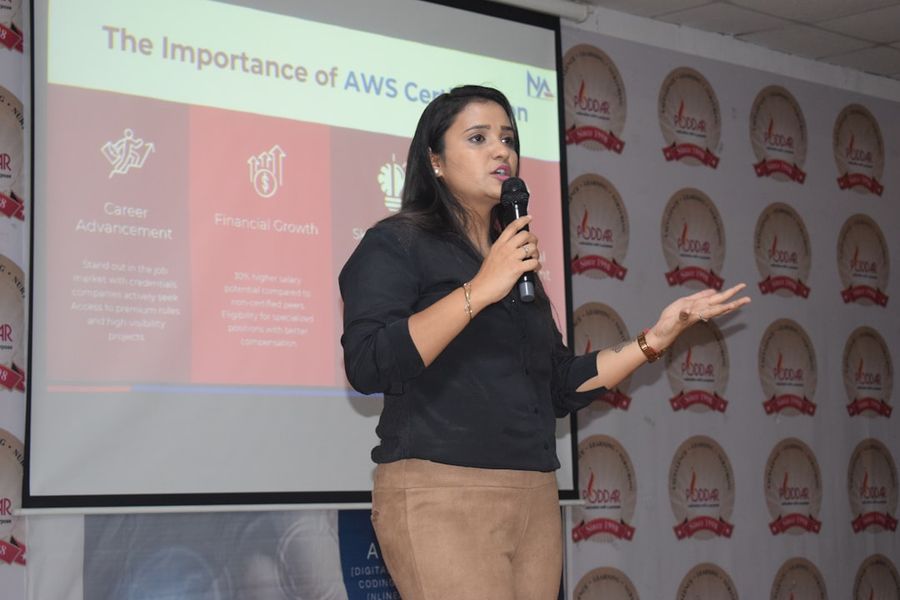
Serverless computing has reshaped the way developers think about building and running applications. Instead of provisioning and managing servers, you write code, upload it, and let the cloud provider ...

Silicon Valley has long been the shorthand for tech innovation, the place where garage‑born ideas become billion‑dollar empires. Yet in the past few years the region’s aura has dimmed. Start‑ups are p...
Docker has become the de‑facto standard for packaging and shipping software, and Python developers are no exception. Whether you’re moving a Flask API to production, sharing a data‑science notebook, o...

When three of the world’s biggest automotive giants announce a joint move to standardize components, the ripple effects reach far beyond the factory floor. Toyota, Nissan, and Honda have agreed to ali...
Continuous integration (CI) is the backbone of modern DevOps workflows, and when you throw Docker containers into the mix, the possibilities for speed and consistency explode. In this guide we’ll walk...

Imagine running a state‑of‑the‑art language model on a consumer‑grade laptop or an embedded device without hitting the memory wall. That’s exactly what the latest breakthrough with Inkling‑2‑Mini deli...
Fine‑tuning a pre‑trained language model can turn a generic text generator into a specialist that excels at your unique domain—whether that’s legal contracts, medical notes, or code completion. In thi...

In a move that could reshape how businesses, developers, and citizens interact with public finance, Brazil’s Receita Federal has placed its core tax calculation engine on GitHub under the permis...
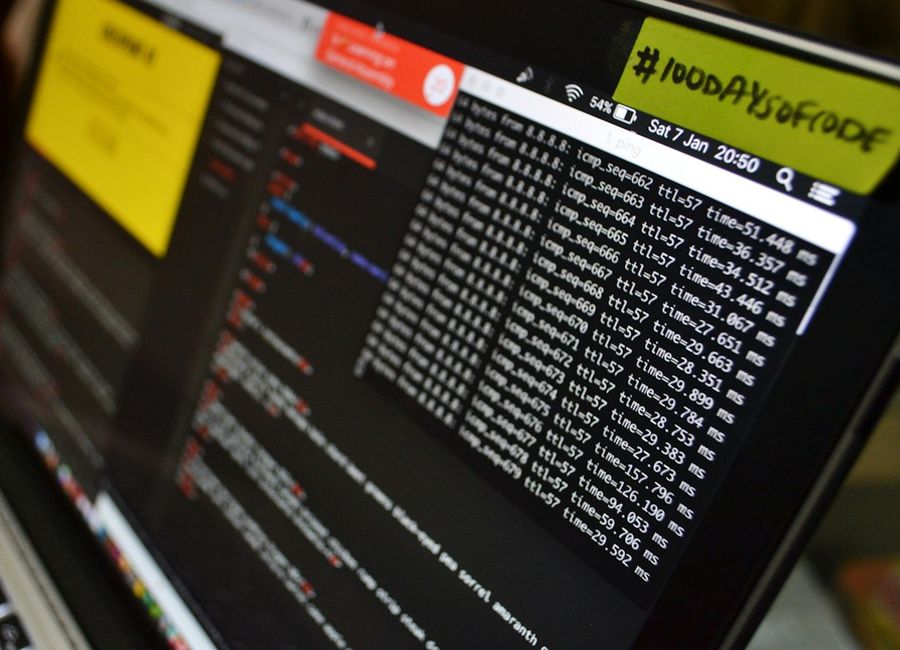
Running a Linux server in production means you’re responsible for keeping it locked down against the endless stream of attacks that roam the internet. While cloud providers give you a baseline of secu...

Infrastructure provisioning used to be a manual, error‑prone chore. Today, Terraform lets you codify every server, network, and service, turning infrastructure into reusable, version‑controlled code. ...
