
When a hobbyist in Berlin transforms a garage into a 3‑D‑printing studio, or a Lithuanian artisan launches a tiny e‑shop selling hand‑crafted drones, they embody the spirit of the modern maker movement. Yet across the continent, a cascade of new regulations, tax reforms, and compliance burdens is turning those dreams into bureaucratic nightmares. This isn’t just a story about paperwork; it’s a warning that Europe’s well‑intentioned push for consumer protection and fiscal fairness may be choking the very engines of grassroots innovation.
Background / What Led to This
The maker renaissance began in the early 2010s, fueled by affordable CNC machines, open‑source hardware, and a cultural shift toward DIY creativity. Governments initially celebrated the trend, seeing makerspaces as incubators for future tech talent and a way to diversify local economies. However, the same policymakers who championed digital transformation also faced mounting pressure to tighten consumer safety, environmental standards, and tax collection across the EU. The 2020s brought a series of directives—most notably the Revised EU Product Safety Directive, the Digital Services Act, and a slew of VAT harmonisation measures—that, while aiming to protect citizens, inadvertently expanded the compliance checklist for anyone selling even a single product online.
What Exactly Happened
In the past three years, three interlocking developments have hit makers hard. First, the EU’s “One‑Stop Shop” (OSS) for VAT now requires every cross‑border sale, no matter how small, to be reported in a centralized portal, with quarterly filings and strict invoicing rules. Second, the Product Safety Directive mandates CE marking for virtually all electronic devices, a process that involves testing, documentation, and a Notified Body—costs that can easily exceed €2,000 per product line. Third, the Digital Services Act imposes “due diligence” obligations on online marketplaces, meaning that a maker who lists a product on Etsy or a niche platform must monitor user‑generated content, handle removal requests, and keep detailed logs for up to two years. Failure to comply can trigger fines up to 6% of annual turnover.
For a hobbyist turning a prototype into a limited run of 20 units, these requirements translate into hours of administrative work, legal fees, and an upfront cash outlay that dwarfs potential revenue. Many makers report abandoning projects after the first compliance hurdle, while others are forced to partner with larger firms that can absorb the costs—effectively surrendering ownership and creative control.
Industry Impact
The ripple effects are already visible. Across Germany, France, and the Benelux region, makerspace membership has plateaued, and new registrations have fallen by an estimated 18% since 2021, according to data from the European Association of Makerspaces. Startup incubators report a shift in applicant profiles: instead of hardware‑focused founders, they now see more software‑only ventures that can sidestep product‑safety rules. In the e‑commerce sector, platforms that previously hosted thousands of micro‑entrepreneurs are tightening onboarding criteria, demanding proof of CE compliance before a single listing goes live.
Beyond numbers, the cultural impact is profound. The maker ethos thrives on rapid iteration, community feedback, and low‑cost experimentation. When every prototype must be formally certified, the feedback loop lengthens dramatically, discouraging risk‑taking and slowing the diffusion of novel ideas. Moreover, the concentration of compliance expertise in larger firms creates a de‑facto barrier to entry, reinforcing market dominance by established players and reducing the diversity of products available to European consumers.
What This Means for You
If you’re a hobbyist dreaming of turning a side project into a sustainable business, the new regulatory landscape forces you to become part‑time lawyer, accountant, and compliance officer. That reality can erode the personal satisfaction that originally drew you to making. For consumers, the downside is less variety and higher prices, as small producers either exit the market or pass compliance costs onto buyers.
For investors and policymakers, the trend signals a misalignment between innovation policy and fiscal policy. Venture capitalists are increasingly wary of funding hardware startups in Europe, citing “regulatory risk” as a top concern. Meanwhile, local governments that rely on makerspaces for economic revitalisation may see a decline in tax revenue and job creation, the very outcomes those policies were meant to stimulate.
Even if you’re not directly involved in the maker scene, the broader lesson applies: when regulation outpaces the scale of the activity it governs, the cost of compliance can become a structural barrier, not a marginal inconvenience. This dynamic can affect any sector where small‑scale producers operate—think artisanal food, independent publishing, or niche software development.
What to Expect Next
Several trajectories are emerging. The European Commission has announced a “Proportionality Review” of the OSS and Product Safety rules, promising to introduce “micro‑enterprise exemptions” by 2025. If enacted, these exemptions could reduce filing frequency and lower documentation thresholds for businesses with annual revenues under €10,000. However, the review process is still in its early stages, and industry groups warn that any relief will be modest compared to the current burden.
At the national level, countries like Estonia and Portugal are experimenting with “sandbox” environments that allow makers to test products under relaxed regulations for a limited period. Success stories from these pilots could pressure the EU to adopt a more tiered approach, differentiating between mass‑produced consumer goods and truly artisanal, low‑volume items.
Meanwhile, a growing coalition of makerspaces, trade associations, and digital‑rights NGOs is lobbying for clearer guidance on CE marking for 3‑D‑printed parts and for a simplified digital‑services compliance checklist. Their advocacy hinges on the argument that a thriving maker ecosystem is a strategic asset for Europe’s competitiveness in the Fourth Industrial Revolution.
Frequently Asked Questions
What is the “One‑Stop Shop” and why does it matter to makers?
The OSS is an EU‑wide portal that consolidates VAT reporting for cross‑border sales. While it simplifies tax collection for large retailers, it forces every seller—no matter how small—to register, file returns, and retain detailed invoices, turning a simple Etsy sale into a quarterly accounting exercise.
Do I really need a CE mark for a prototype?
Under the current Product Safety Directive, any electronic device intended for consumer use must bear a CE mark before it can be marketed, even if you only produce a handful of units. The rule applies to prototypes that are sold, not just to internal test pieces, meaning most makers must engage a Notified Body for certification.
Can I avoid the Digital Services Act obligations?
If you sell directly from your own website and do not host user‑generated content, the DSA’s “due‑diligence” requirements are limited. However, once you list products on a third‑party marketplace, the platform’s responsibilities shift to you, and you must comply with content‑removal requests, transparency reporting, and risk‑assessment documentation.
Conclusion
Europe’s ambition to protect consumers and secure tax revenues is laudable, but the current implementation is unintentionally strangling the very innovators who could help the continent stay ahead in a fast‑moving digital world. Makers and micro‑entrepreneurs are not just hobbyists; they are early‑stage disruptors, job creators, and cultural ambassadors. If policymakers fail to calibrate regulation to the scale of activity, the continent risks losing a generation of home‑grown talent to more flexible jurisdictions. The upcoming proportionality review and national sandbox experiments offer a glimmer of hope, but the onus now lies on both regulators and the maker community to find a sustainable middle ground—one where safety and fairness coexist with the freedom to experiment, fail, and ultimately, succeed.
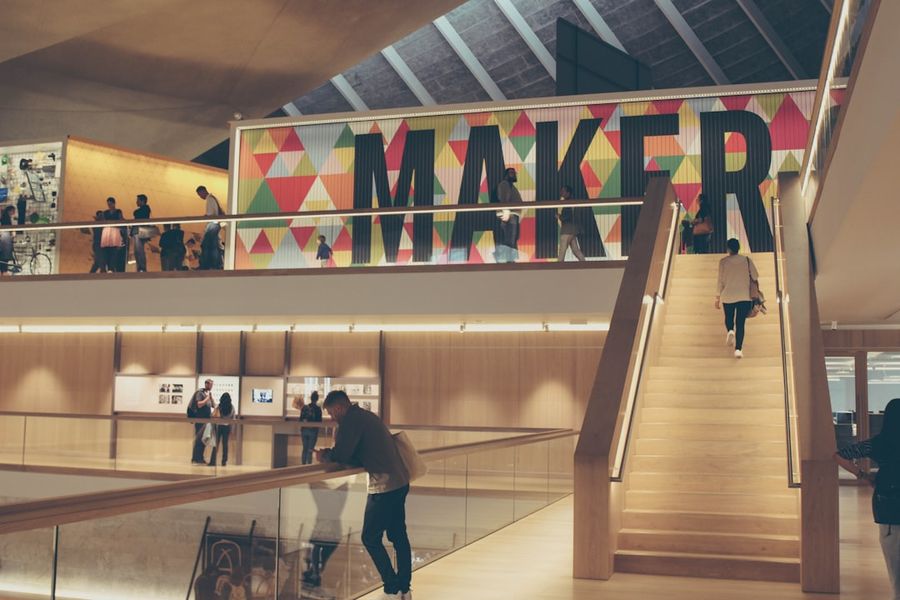
Photo by Michał Parzuchowski on Unsplash


