
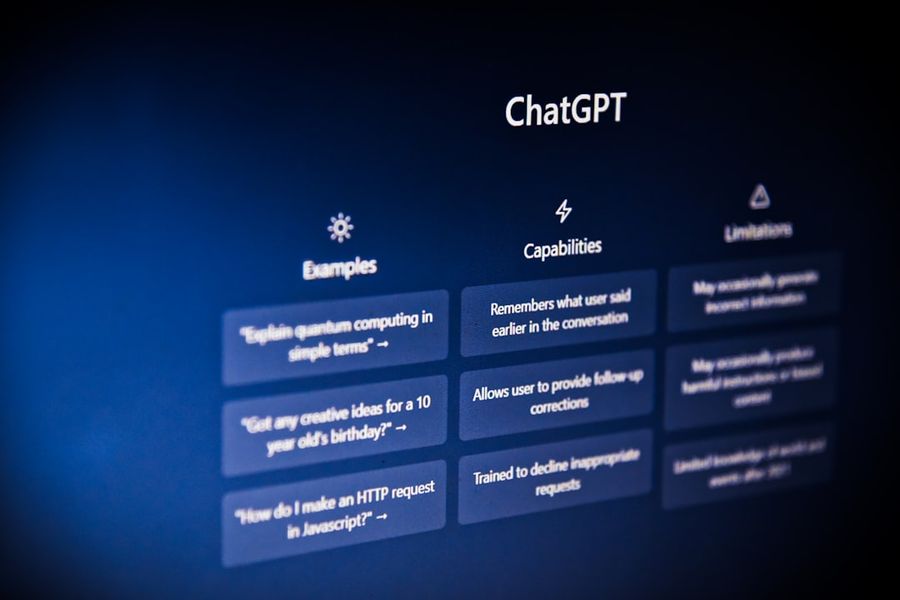
Developing a chatbot using natural language processing (NLP) is a complex task that requires a deep understanding of machine learning, programming, and linguistics. However, with the right tools and a step-by-step approach, you can create a chatbot that understands and responds to user input in a natural and intuitive way. In this guide, we’ll walk you through the process of developing a chatbot using NLP, from planning and designing to building and deploying.
What You’ll Need
- A programming language such as Python or Java
- A natural language processing library such as NLTK or spaCy
- A machine learning framework such as scikit-learn or TensorFlow
- A chatbot development framework such as Dialogflow or Botpress
- A dataset of user input and expected responses
Step 1: Plan and Design Your Chatbot
The first step in developing a chatbot is to plan and design its functionality and user interface. This includes determining the chatbot’s purpose, identifying its target audience, and deciding on the features and capabilities it will have. You should also consider the chatbot’s personality and tone, as well as the type of user experience you want to create.
Step 2: Choose a Natural Language Processing Library
Next, you’ll need to choose a natural language processing library that can help your chatbot understand and process user input. Popular options include NLTK, spaCy, and Stanford CoreNLP. Each library has its own strengths and weaknesses, so be sure to research and compare them before making a decision.
Step 3: Preprocess User Input
Once you’ve chosen an NLP library, you’ll need to preprocess user input to prepare it for analysis. This includes tokenizing the input, removing stop words and punctuation, and converting all text to lowercase. You may also want to perform stemming or lemmatization to reduce words to their base form.
Step 4: Train a Machine Learning Model
With your preprocessed user input, you can now train a machine learning model to recognize patterns and relationships in the data. This includes choosing a suitable algorithm, such as decision trees or neural networks, and training the model using your dataset of user input and expected responses.
Step 5: Integrate with a Chatbot Development Framework
After training your machine learning model, you’ll need to integrate it with a chatbot development framework. This includes choosing a framework such as Dialogflow or Botpress, and using its APIs and tools to build and deploy your chatbot.
Step 6: Test and Refine Your Chatbot
Finally, you’ll need to test and refine your chatbot to ensure it’s working as expected. This includes testing its functionality, user interface, and overall user experience, and making any necessary adjustments or improvements.
Common Mistakes to Avoid
When developing a chatbot using NLP, there are several common mistakes to avoid. These include failing to preprocess user input, using insufficient training data, and neglecting to test and refine the chatbot. You should also be aware of potential biases in your machine learning model, and take steps to mitigate them.
Tips and Tricks
To get the most out of your chatbot, be sure to keep your training data up-to-date, and continuously monitor and evaluate its performance. You should also consider using techniques such as active learning and transfer learning to improve the chatbot’s accuracy and efficiency.
Frequently Asked Questions
What is natural language processing, and how does it work?
Natural language processing is a subfield of artificial intelligence that deals with the interaction between computers and human language. It uses machine learning algorithms and statistical models to analyze and understand human language, and generate responses that are natural and intuitive.
What are the benefits of using a chatbot development framework?
Using a chatbot development framework can save you time and effort, and help you build a chatbot that’s more efficient and effective. Frameworks such as Dialogflow and Botpress provide pre-built tools and APIs that can help you integrate your chatbot with popular platforms and services, and provide a more seamless user experience.
How can I ensure my chatbot is secure and compliant with regulations?
To ensure your chatbot is secure and compliant with regulations, be sure to follow best practices such as encrypting user data, using secure authentication and authorization protocols, and complying with relevant laws and regulations such as GDPR and HIPAA.
Conclusion
Developing a chatbot using natural language processing is a complex task that requires careful planning, design, and implementation. By following the steps outlined in this guide, and avoiding common mistakes, you can create a chatbot that understands and responds to user input in a natural and intuitive way. Remember to keep your training data up-to-date, continuously monitor and evaluate your chatbot’s performance, and consider using techniques such as active learning and transfer learning to improve its accuracy and efficiency.
Photo by Levart_Photographer on Unsplash


