
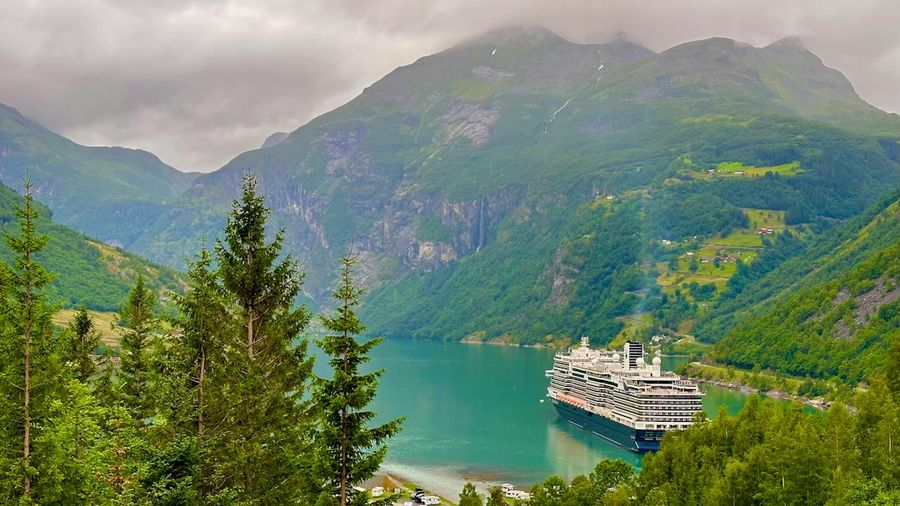
Imagine strolling through a fjord‑lined valley, the air crisp, the scenery jaw‑dropping, and then stumbling upon a restroom that feels more like a boutique gallery than a pit stop. That’s the new reality in Norway, where the government and tourism board have teamed up to brand their public lavatories as “the world’s best toilets.” It sounds tongue‑in‑cheek, but the initiative is reshaping how travelers experience the country and prompting other nations to rethink an often‑overlooked piece of infrastructure.
Background / What Led to This
Norway has long leveraged its natural wonders—fjords, waterfalls, the midnight sun—to attract visitors. Yet, as tourist numbers surged past 13 million in 2023, the strain on roadside amenities became evident. Complaints about dirty facilities, lack of accessibility, and generic designs were cropping up on travel forums and social media. At the same time, the Scandinavian design ethos, celebrated for its minimalism and functionality, was gaining global traction. A confluence of these factors sparked a bold idea: turn the humble restroom into a showcase of Norwegian design, sustainability, and hospitality.
What Exactly Happened
In early 2024, Visit Norway launched the “World’s Best Toilets” campaign. The program set rigorous standards for cleanliness, accessibility, energy efficiency, and aesthetic appeal. Over 150 locations—ranging from highway rest areas to remote mountain huts—were upgraded with features such as sensor‑activated faucets, low‑flow toilets, solar‑powered lighting, and locally sourced timber finishes. Each site received a distinctive blue “World’s Best Toilets” sign, turning the facilities into recognizable landmarks on travel maps and GPS apps.
The rollout was not just about hardware. A digital platform was introduced where visitors can rate each restroom, share photos, and earn virtual badges. The data feeds into a real‑time maintenance schedule, ensuring that a poorly rated site gets immediate attention. Partnerships with local artisans added a cultural layer: some toilets feature hand‑carved wood panels, while others display rotating exhibitions of Norwegian photography.
Industry Impact
For the tourism industry, the initiative is a masterstroke of differentiation. In a market where destinations compete on scenery, cuisine, and culture, Norway now offers a tangible, everyday experience that can be marketed globally. Travel influencers have already begun featuring “toilet tours” in their itineraries, and the hashtag #BestToiletsNorway has amassed over 200 k posts on Instagram, driving organic reach.
Beyond tourism, the project is nudging the broader hospitality and infrastructure sectors toward higher standards. Suppliers of eco‑friendly fixtures report a spike in orders from neighboring Sweden and Finland, as they seek to emulate Norway’s model. Municipalities are also watching; the cost‑benefit analysis released by the Norwegian Public Roads Administration shows a 12 % increase in visitor dwell time near upgraded rest stops, translating into higher spending at nearby cafés and souvenir shops.
From a sustainability perspective, the program aligns with Norway’s 2030 climate goals. By installing water‑saving technologies and renewable energy sources, each restroom cuts its carbon footprint by an estimated 30 %. The initiative also serves as a testbed for smart‑city concepts—sensor data feeds into municipal dashboards, informing broader urban planning decisions.
What This Means for You
If you’re planning a road trip through Scandinavia, the “World’s Best Toilets” map is now a must‑have addition to your itinerary. The upgraded facilities mean you can expect spotless interiors, wheelchair‑friendly layouts, and even Wi‑Fi in some locations—a rare convenience on remote routes. For digital nomads, the reliable power outlets and strong cellular coverage at many sites turn a quick bathroom break into a productive work session.
From a consumer‑rights angle, the program raises the bar for public amenities worldwide. Travelers accustomed to subpar restrooms will start demanding similar standards elsewhere, pressuring local governments to invest in better infrastructure. Moreover, the emphasis on design and sustainability offers a subtle education: a well‑designed, eco‑friendly space can improve mood, reduce stress, and even encourage more responsible water usage.
What to Expect Next
Norway isn’t stopping at 150 locations. The 2025 roadmap outlines an expansion to 300 sites, including urban bus stations and ferry terminals. A second phase will introduce “smart mirrors” that display weather updates, local attractions, and even language translation tools. The government is also piloting a “toilet tourism” package that bundles restroom visits with nearby hikes, culinary experiences, and cultural tours.
Internationally, the initiative has sparked interest from the United Arab Emirates, Japan, and Canada, all of which have reached out to Norwegian designers for consultancy. A global conference on “Public Facility Excellence” is slated for Copenhagen in 2026, with Norway slated as a keynote presenter.
Frequently Asked Questions
Are the “World’s Best Toilets” free to use?
Yes. All upgraded facilities remain free for public use, just like traditional rest stops. However, some premium locations near major attractions may have a small fee for additional services such as showers or charging stations.
How does Norway ensure the toilets stay clean?
The program uses a combination of real‑time sensor data, visitor ratings, and a dedicated maintenance crew. When a restroom’s cleanliness score drops below a set threshold, an automated alert is sent to the nearest service team, guaranteeing rapid response.
Can other countries adopt this model?
Absolutely. The core principles—design excellence, sustainability, digital integration, and community involvement—are transferable. Norway has published a detailed implementation guide and is offering consultancy services to interested governments.
Conclusion
Norway’s “World’s Best Toilets” initiative proves that even the most mundane public service can become a catalyst for tourism growth, environmental stewardship, and design innovation. By turning a basic necessity into a memorable experience, the country not only elevates its own brand but also sets a new global benchmark. For travelers, it means cleaner, more comfortable stops on the road to adventure. For the industry, it signals a shift toward smarter, greener, and more user‑centric infrastructure. In short, Norway has taken a humble shithouse and made it great again—one impeccably designed stall at a time.
Photo by Shreshth Gupta on Unsplash