When you think of pirates, you probably picture swashbuckling buccaneers or a modern‑day hacker cracking software. Now imagine the two colliding: a movement where the very people who once fought against illegal downloads are becoming the architects of a new, open‑source style of cinema. This paradox, dubbed “Pirating the Pirates,” is reshaping how movies are financed, distributed, and even watched. It isn’t just a headline; it’s a seismic shift that could affect every stakeholder in the entertainment ecosystem—from indie filmmakers to global streaming giants.
Background / What Led to This
For decades, the film industry has waged a relentless war against piracy. Early 2000s lawsuits, DRM‑laden Blu‑rays, and aggressive takedown notices defined a defensive posture that treated piracy as a criminal act rather than a symptom of a larger market failure. Simultaneously, the internet democratized content creation. Platforms like YouTube, Vimeo, and later TikTok gave creators a direct line to audiences, bypassing traditional gatekeepers. The COVID‑19 pandemic accelerated this trend, forcing theaters to shut and studios to experiment with day‑and‑date releases, premium‑VOD, and hybrid models. In this environment, a growing chorus of filmmakers began to ask: what if we embraced the very tools that pirates used to spread content?
What Exactly Happened
In early 2024, a collective of independent directors, producers, and tech entrepreneurs launched the “Open Reel Initiative.” Their manifesto was simple: release a slate of feature‑length films under a Creative Commons license, make them freely downloadable, and rely on a voluntary contribution model—think “pay‑what‑you‑want” meets Patreon. The first wave included three genre‑bending titles that premiered on a custom streaming portal, accompanied by a torrent seedbox for those who preferred peer‑to‑peer distribution. Within weeks, the movies amassed over 2 million downloads, and the contribution rate hovered at 12 percent, generating revenues comparable to a modest theatrical run. The experiment proved that a well‑crafted, community‑driven release could sustain itself without the traditional box‑office or subscription fees.
Industry Impact
Traditional studios are taking note. The Open Reel model challenges three core assumptions: that audiences will only pay for content behind a paywall, that DRM is essential for revenue protection, and that distribution must be centrally controlled. Major players are now testing hybrid approaches—offering a limited‑time free download window before moving titles to their own platforms. Meanwhile, data‑analytics firms are scrambling to quantify the true value of “pirate‑style” exposure. Early reports suggest that free distribution can boost ancillary revenues, such as merchandising, live events, and international licensing deals, by up to 30 percent. Moreover, the model forces studios to invest more heavily in marketing and community engagement, because the barrier to entry for viewers is essentially zero.
What This Means for You
For the average movie lover, the shift translates into more choices and less friction. No longer will you need to juggle multiple subscriptions or wait weeks for a digital release; a curated selection of high‑quality films could be available for instant, legal download at any time. For creators, the model offers a direct relationship with fans, eliminating middlemen and allowing for real‑time feedback loops. And for investors, the data‑rich environment of open distribution provides clearer insights into audience demographics, viewing habits, and willingness to contribute—information that was previously hidden behind opaque subscription metrics.
What to Expect Next
The next six months will likely see a proliferation of “pirate‑friendly” experiments. Expect to see more festivals featuring open‑license categories, larger studios piloting limited‑time free releases, and tech companies building decentralized streaming protocols that reward both creators and viewers with cryptocurrency micro‑payments. Legal frameworks will also evolve; copyright law may need to accommodate flexible licensing structures that balance creator rights with the public’s appetite for free access. In short, the industry is poised to move from a defensive stance to a collaborative one, where piracy is no longer a threat but a potential distribution channel.
Frequently Asked Questions
Is free distribution really sustainable for filmmakers?
Yes, if the model is built around voluntary contributions, tiered rewards, and ancillary revenue streams. The Open Reel Initiative demonstrated that a 12‑percent conversion rate can cover production costs for modest‑budget films, and larger projects can supplement income with sponsorships and merchandise.
Will this model replace traditional theatrical releases?
Not entirely. The cinematic experience still holds unique value—especially for blockbusters and event films. However, for indie and genre titles, free digital releases can serve as a primary launch strategy, reserving theatrical runs for special screenings or festivals.
How will copyright law adapt to these changes?
Legislators are already discussing “flexible licensing” clauses that would allow creators to choose open‑source style distribution without forfeiting future commercial rights. Expect new statutory provisions that recognize Creative Commons‑style agreements as legally binding in the entertainment sector.
Conclusion
“Pirating the Pirates” isn’t a gimmick; it’s a reflection of a market that finally acknowledges the power of openness, community, and choice. By turning the tables on traditional anti‑piracy tactics, the film industry is unlocking new revenue pathways, expanding its audience, and redefining what it means to be a creator in the digital age. Whether you’re a cinephile, a filmmaker, or an investor, the wave of open‑license cinema is arriving— and it’s set to change the way we all experience stories on screen.
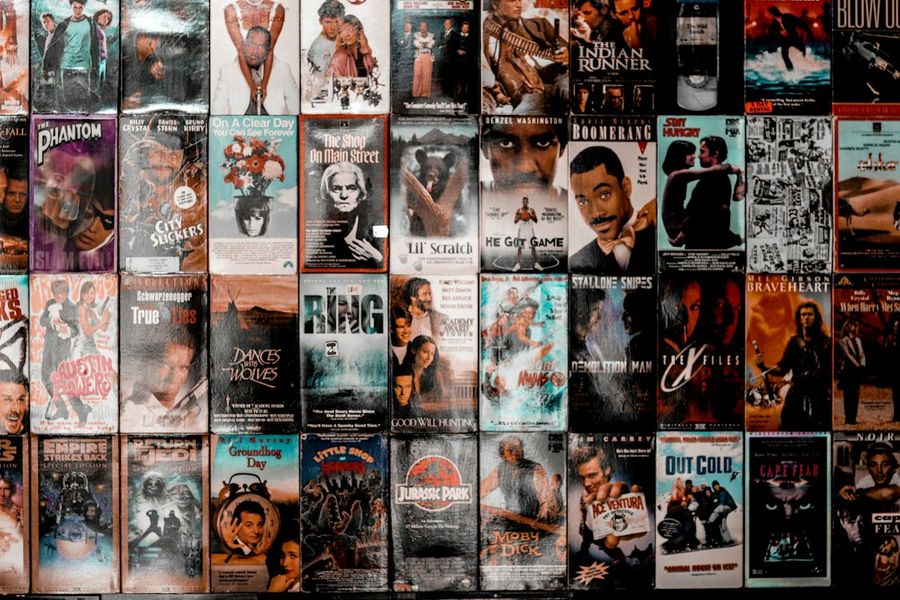
Photo by Tyson Moultrie on Unsplash