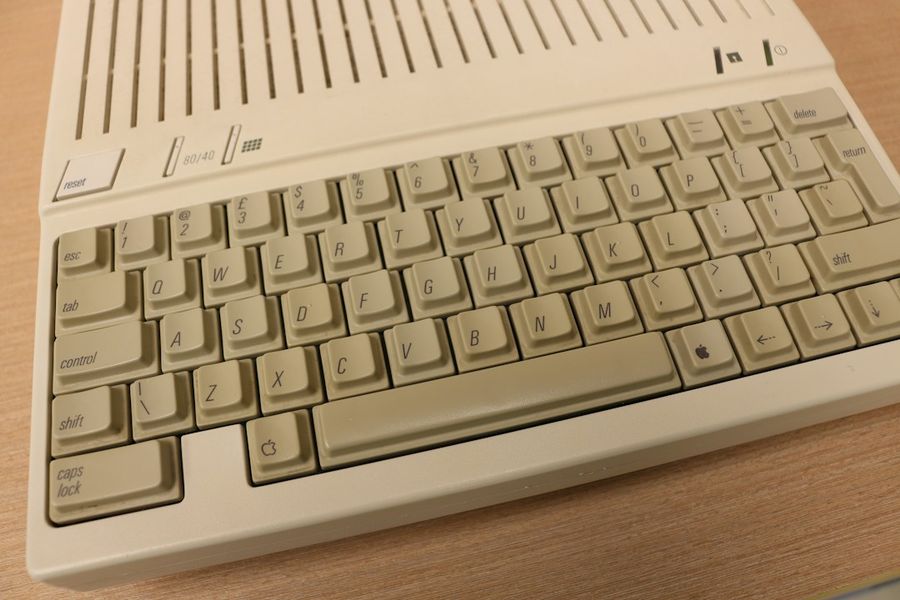
When you stare at a photograph of a 1980s Commodore 64, the first thing that jumps out isn’t the chunky monitor or the beige case—it’s the unmistakable, blocky lettering on the keyboard. Those tiny, pixel‑perfect keycaps have become a visual shorthand for an entire era of home computing. Now, a developer has turned those nostalgic symbols into a fully functional typeface, giving designers a direct line back to the golden age of 8‑bit graphics.
Background / What Led to This
The Commodore 64 (C64) launched in 1982 and quickly became the world’s best‑selling home computer. Its success hinged on a combination of affordable hardware, a massive library of games, and a distinctive visual identity—particularly the keyboard. Each key bore a hand‑painted, low‑resolution glyph that matched the machine’s 8‑bit graphics capabilities. Over the decades, those glyphs have been reproduced in countless memes, t‑shirts, and retro‑themed UI kits, but never as a true, scalable font.
Enter Szabadkai, a hobbyist programmer who spent months photographing every keycap on an original C64 keyboard. The project began as a personal quest to preserve a piece of computing history that was rapidly disappearing from museums and private collections. By capturing each character under controlled lighting and stitching the images together, Szabadkai created a high‑resolution reference that could be traced, digitized, and packaged as an Open‑Source font.
What Exactly Happened
The GitHub repository c64-keyboard-font contains the full workflow: raw photographs, vector outlines, and the final TrueType (TTF) and OpenType (OTF) files. The process started with a DSLR setup that captured each key at 600 dpi, ensuring that even the faintest wear marks were preserved. After the shoot, the images were imported into a vector graphics editor where each glyph was manually traced to retain the authentic pixel grid while smoothing out inconsistencies caused by age‑related discoloration.
What makes this font unique is its fidelity to the original keycaps. The designer didn’t just copy the shapes; they also incorporated the subtle variations in stroke weight and the slightly rounded corners that came from the physical molding process. The result is a typeface that feels both pixel‑perfect and tactile, as if you could hear the click of a C64 key with every keystroke.
Beyond the alphabetic characters, the font includes the iconic symbols that were part of the C64’s command set—arrows, the “RUN/STOP” key, and even the infamous “PETSCII” characters used by programmers for graphics and UI design. All glyphs are mapped to Unicode Private Use Area code points, allowing modern software to render them alongside standard text.
Industry Impact
While a retro font may seem like a niche curiosity, its release touches several broader trends in the tech and design worlds. First, there’s a growing appetite for “authentic nostalgia.” Designers are moving away from generic, stylized retro fonts toward assets that carry genuine historical weight. By providing a font that is literally lifted from an original device, the C64 keycap font satisfies that demand for authenticity.
Second, the project underscores the importance of digital preservation. Hardware degrades, but visual elements can be archived and repurposed. This font demonstrates a practical workflow for turning physical artifacts into reusable digital resources—a model that could be applied to other vintage hardware, from IBM Model M keyboards to classic arcade panels.
Third, the open‑source nature of the project invites collaboration. Already, developers are experimenting with the font in web‑based emulators, game development tools, and even in custom terminal themes. Because the font is freely licensed, it can be bundled into commercial products without legal hurdles, expanding its reach far beyond the retro‑enthusiast community.
What This Means for You
If you’re a designer, the C64 keycap font offers a ready‑made, legally safe way to inject genuine 8‑bit flair into branding, UI mockups, or promotional material. Because the glyphs retain the original pixel dimensions, they scale cleanly at typical screen resolutions while still looking crisp on high‑DPI displays.
Developers working on retro‑style games or emulators can use the font to recreate authentic on‑screen text, preserving the feel of original software without resorting to bitmap hacks. Even educators teaching computer history can leverage the font to illustrate how user interfaces have evolved, providing a tactile link between past and present.
For hobbyists and collectors, the font serves as a digital souvenir of a machine that may no longer be physically accessible. It’s a reminder that the aesthetic choices of the 1980s continue to influence contemporary design, and that preserving those choices can inspire new creative directions.
What to Expect Next
The repository’s issue tracker already shows a handful of feature requests: adding full Unicode support for extended PETSCII characters, creating a variable‑weight version of the font for modern typographic hierarchies, and developing a web‑font kit optimized for fast loading. The creator has hinted at a collaboration with a retro‑hardware museum to produce limited‑edition physical keycaps that match the digital font, bridging the gap between virtual and tactile experiences.
Beyond the C64, the methodology—high‑resolution photography, meticulous vector tracing, and open‑source distribution—could spark a wave of similar projects. Imagine a library of fonts derived from the original keycaps of the Apple II, the ZX Spectrum, or the IBM PC/AT. Such a collection would become an invaluable resource for anyone looking to embed authentic period‑specific typography into modern media.
Frequently Asked Questions
Is the C64 keycap font free to use in commercial projects?
Yes. The font is released under the SIL Open Font License (OFL), which permits both personal and commercial use without royalties, provided you retain the license file and credit the original creator.
How does the font handle characters that weren’t on the original C64 keyboard?
Only the characters that physically existed on the C64 keycaps are included. For missing glyphs, the font falls back to standard system fonts. However, the repository provides a separate “PETSCII” set that covers many of the special symbols used in C64 programming.
Can I modify the font for my own project?
Absolutely. The OFL encourages modification and redistribution, as long as the derivative work also carries the same license and you don’t claim the original design as your own.
Conclusion
The C64 keycap font is more than a nostalgic novelty; it’s a bridge between a pivotal moment in computing history and the design tools of today. By capturing the tactile essence of a legendary keyboard and making it freely available, the project empowers creators to embed genuine 8‑bit character into modern workflows, preserves a piece of digital heritage, and sets a precedent for how we can rescue and repurpose the visual DNA of legacy hardware. Whether you’re a designer seeking authentic retro flair, a developer building a pixel‑perfect emulator, or simply a fan of the Commodore era, this font offers a tangible way to keep the spirit of the C64 alive—one keystroke at a time.