
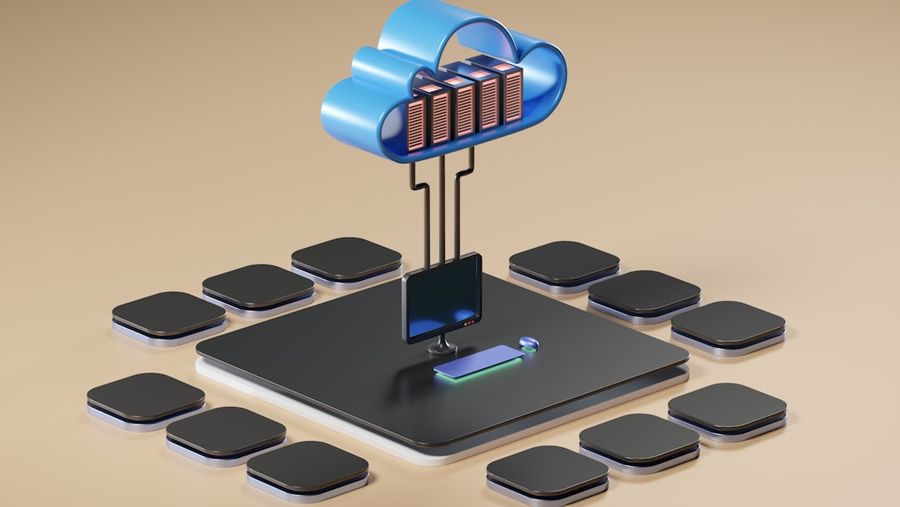
The lines between traditional servers and mobile devices are becoming increasingly blurred, and a fascinating trend is emerging: using phones as servers. This concept, though seemingly radical, holds significant potential for revolutionizing how we approach cloud computing, data management, and mobile technology. In this article, we’ll delve into the background of this phenomenon, explore what it entails, and discuss its implications for the tech industry and individual users.
Background / What Led to This
The idea of a phone serving as a server isn’t entirely new. The evolution of mobile devices has been rapid, with contemporary smartphones boasting processing powers and storage capacities that rival those of older desktop computers. As cloud computing continues to grow, with more services and applications moving online, the need for flexible, accessible, and powerful computing solutions has become more pressing. The convergence of these trends—advancements in mobile technology and the expansion of cloud services—has laid the groundwork for the phone-server concept.
What Exactly Happened
Recent innovations in software and hardware have made it feasible to repurpose a smartphone as a functional server. This involves leveraging the phone’s capabilities to run server software, thereby enabling it to host websites, manage data, and perform other server-like functions. The process typically requires specific apps or modifications to the phone’s operating system to unlock its full potential as a server. While this might sound like a niche application, it underscores a broader shift towards more versatile and decentralized computing solutions.
Industry Impact
The potential impact of this trend on the tech industry is multifaceted. For one, it challenges traditional server architecture by introducing a more mobile, personal form of hosting. This could democratize access to server capabilities, allowing individuals and small businesses to manage their own data and applications in a more autonomous way. Moreover, it could spur innovation in fields like edge computing, where data is processed closer to its source, reducing latency and enhancing real-time processing capabilities.
What This Means for You
For the average user, the concept of a phone server might seem abstract, but its implications are tangible. Imagine having the ability to host your own website, store your data securely on a device you own, or run applications without relying on third-party cloud services. This level of control and privacy is attractive, especially in an era where data security and autonomy are growing concerns. Additionally, it could pave the way for new forms of digital entrepreneurship and creativity, as individuals gain more direct control over their digital presence and data.
What to Expect Next
As this technology evolves, we can expect to see more user-friendly solutions emerge, making it easier for non-technical individuals to set up and manage their phone servers. There will also be a growing need for secure, phone-server specific applications and services that cater to this new paradigm. Furthermore, the industry may witness a shift in how data centers and cloud infrastructure are designed, with a potential move towards more distributed, edge computing models that leverage the power of millions of mobile devices.
Frequently Asked Questions
Is Using a Phone as a Server Secure?
Security is a primary concern when considering using a phone as a server. While phones can be secured with passwords, encryption, and other measures, they are also vulnerable to mobile-specific threats like malware and unauthorized access. Ensuring the phone-server setup is secure will be crucial, potentially requiring specialized software and practices.
How Powerful Does a Phone Need to Be to Act as a Server?
The power required depends on the intended use of the server. For simple applications like hosting a personal website or storing files, a mid-range smartphone might suffice. However, for more demanding tasks or supporting multiple users, a higher-end device with ample storage, RAM, and processing power would be necessary.
Will This Replace Traditional Servers?
It’s unlikely that phone servers will completely replace traditional servers in the near future, especially for large-scale applications. However, they can complement existing infrastructure by offering a more personal, decentralized alternative for specific use cases, thereby expanding the scope of what we consider ‘server’ technology.
Conclusion
The advent of phones serving as servers marks an exciting and unconventional turn in the evolution of computing. As technology continues to advance and our understanding of what a ‘server’ can be expands, we’re poised on the cusp of a new era of innovation. Whether you’re a tech enthusiast, a business owner, or simply someone interested in the future of technology, the concept of a phone server is definitely worth keeping an eye on. It symbolizes a broader trend towards decentralization, personalization, and democratization of technology—a future where the devices we carry every day can become the hubs of our digital lives.


